The Future of Camera Tech: From IMAX to iPhone
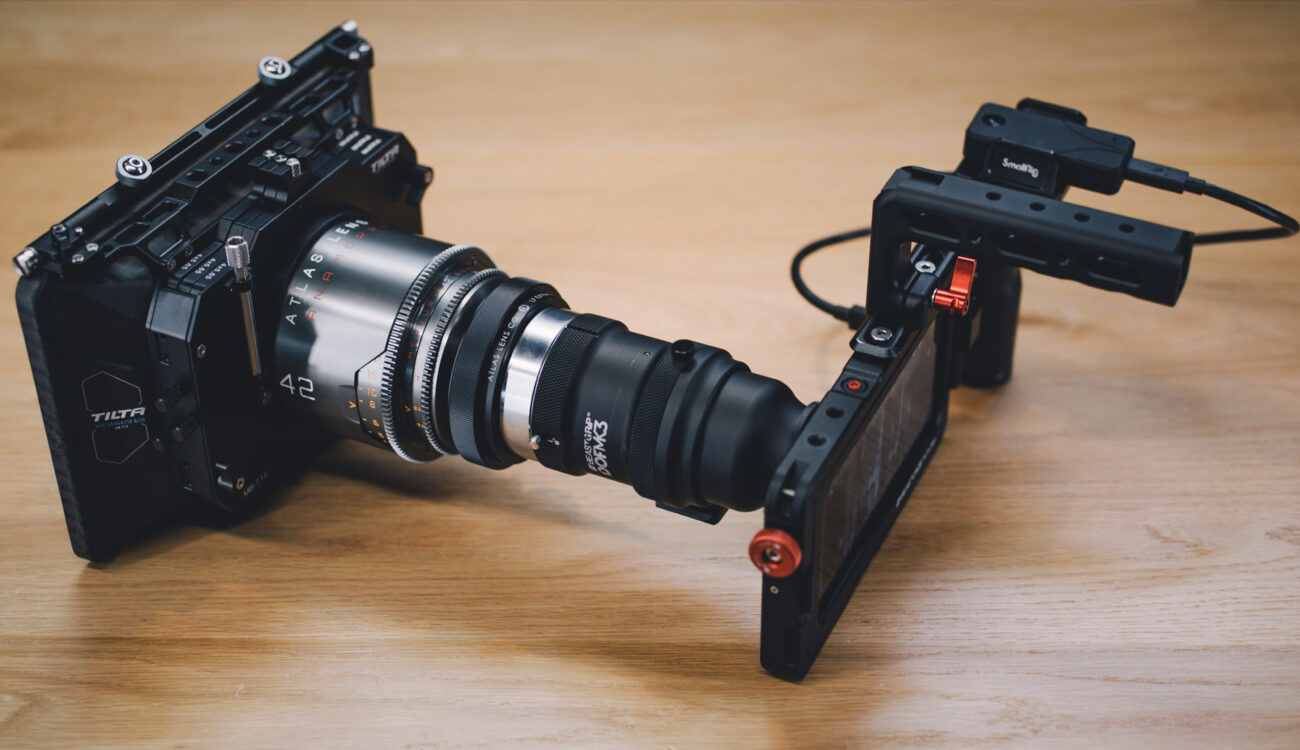
The most revealing moment in contemporary cinema arrived unexpectedly on a 2025 film set where two creative teams pursued opposite technological philosophies with equal conviction. One production shot using IMAX and Ultra Panavision 70 format, commanding epic resolution, colossal image area, and Renaissance-painter-like dynamic range sculpting capabilities. Another production shot the entire feature film using iPhone 15 Pro Max, capturing professional-quality imagery from a device fitting in a back pocket. Both approaches produced commercially viable films reaching audiences globally, forcing uncomfortable questions about whether bigger necessarily remains better, whether camera format determines artistic quality, or whether filmmaking's future involves radical democratization transcending hardware distinctions.
This technological bifurcation represents perhaps cinema's most fascinating evolution: simultaneously pursuing extreme technical sophistication through large-format filmmaking while democratizing professional-quality cinematography through consumer smartphone technology, suggesting that cinema's future likely involves coexistence of diverse technological approaches rather than convergence toward single dominant format.
The IMAX Renaissance: When Bigger Remains Meaningful
IMAX technology represents cinema's most ambitious attempt creating immersive theatrical experiences transcending traditional screen boundaries. According to YMcinema documentation, IMAX's continued evolution involves shooting on 65mm film stock, capturing extraordinary resolution, dynamic range, and image quality providing unparalleled theatrical presentation for audiences seeking maximum cinematic immersion.
According to DataInsights Market comprehensive cinema camera trends analysis, 8K resolution adoption represents significant growth driver for high-end productions. Films including NOPE and Dune pursued large-format cinematography deliberately, with cinematographers including Hoyte van Hoytema specializing in 65mm film stock to create imagery warranting theatrical grandeur.
According to YMcinema analysis distinguishing "Shot With IMAX" versus "Filmed For IMAX," shooting with actual IMAX 65mm cameras produces richer, more visually impressive imagery than shooting digitally and formatting for IMAX presentation. According to documentation, this distinction matters fundamentally for filmmakers pursuing maximum theatrical impact, though at substantially increased production complexity and cost.
According to DataInsights research, the cinema camera market continues expanding with 8K-capable sensors, advanced HDR technologies, and improved sensor technology enabling capturing images with previously impossible detail, color accuracy, and dynamic range.
Additionally, according to DataInsights documentation, modular design approaches enable filmmakers customizing camera systems for specific production requirements. Rather than single monolithic camera platforms, contemporary equipment emphasizes flexibility and adaptability to diverse creative scenarios.
The Smartphone Revolution: When Consumer Tech Meets Professional Quality
Simultaneously, smartphone cinematography achieved genuine professional viability, with films including Tangerine (2015), Unsane (2018), High Flying Bird (2019), and most recently Academy Award-winning documentaries employing iPhones as primary cinematography tools.
According to Lucihub documentation examining smartphone cinema capabilities, iPhone models including the latest iterations feature ProRAW and ProRes formats enabling professional-grade color grading, Cinematic Mode enabling real-time depth-of-field effects, and improved low-light performance approaching professional cinema camera capabilities.
According to Wrapbook analysis of smartphone cinema's evolution, smartphone cinematography generates practically indiscernible raw image quality from average commercial film production, fundamentally challenging assumptions about minimum equipment requirements for professional cinematography.
Remarkably, according to Massive.io's 2025 analysis comparing IMAX/Ultra Panavision 70 shot Sinners with iPhone 15 Pro Max shot 28 Years Later, both films achieved commercial viability and critical engagement despite radically different technical foundations, suggesting that storytelling excellence transcends equipment specifications.
The Technical Divide: Understanding What Separates Formats
Understanding camera technology's future requires grasping fundamental technical differences justifying diverse equipment approaches. According to YMcinema documentation, IMAX 65mm capture provides:
Superior Dynamic Range: The ability capturing brightest highlights and darkest shadows simultaneously without losing detail, critical for complex lighting environments inherent in theatrical production.
Extraordinary Resolution: 65mm film provides image information enabling theatrical projection at exceptional scale without visible degradation, supporting everything from intimate character work to landscape grandeur.
Aesthetic Specificity: Large-format cinematography produces characteristic visual appearance recognized intuitively by audiences familiar with theatrical presentation, carrying cultural weight and production prestige.
Conversely, according to Lucihub and Wrapbook documentation, smartphone cinematography provides:
Unprecedented Portability: Enabling camera placement and movement previously impossible with traditional equipment, opening creative possibilities in confined spaces or mobile scenarios.
Workflow Acceleration: Skipping laboratory film development entirely, capturing in production-ready formats like 4K ProRes, enabling rapid post-production turnaround impossible with traditional film workflows.
Cost Accessibility: Eliminating equipment rental expenses, enabling emerging filmmakers accessing professional-quality cinematography previously exclusive to well-funded productions.
Integration with Digital Ecosystem: Native compatibility with editing, color grading, and visual effects software, reducing workflow friction compared to film scanning and digital conversion requirements.
Sensor Technology: The Foundation Determining Capability
According to DataInsights comprehensive market analysis, sensor technology represents perhaps most fundamental camera specification determining overall capability and performance.
According to Nikon's patent filing covered in YMcinema documentation, contemporary sensor development focuses on enhanced dynamic range through pixel-level exposure control, enabling handling lighting extremes without quality compromise. Nikon's research suggests future cinema cameras will employ advanced sensor architecture improving performance systematically.
According to DataInsights analysis, continuous sensor advancement drives cinema camera market expansion, with manufacturers developing ever-larger sensors, higher resolutions, improved dynamic range, and enhanced low-light performance pushing technical capabilities forward continuously.
Interestingly, according to Richard Lackey's iPhone cinematography analysis, smartphone sensors including iPhone 11 Pro Max demonstrate improved native dynamic range, suggesting that smartphone technology progression mirrors traditional cinema camera development trajectories.
Resolution Standards: 8K, 4K, and Practical Reality
According to DataInsights documentation, 8K resolution adoption represents current evolution frontier, with high-end productions increasingly employing 8K-capable cameras enabling future-proofing and exceptional post-production flexibility.
However, according to Angstudio documentation on 2025 filmmaking trends, 4K remains the practical dominant standard for most productions despite 8K capabilities emerging. According to documentation, 8K deployment concentrates on prestige productions and future-proofing rather than becoming universal standard.
According to Wrapbook smartphone cinema analysis, iPhone 4K ProRes capture provides practically professional-grade results for many applications, questioning whether higher resolution necessarily translates to improved storytelling or merely additional file size complicating workflows.
The Accessory Ecosystem: Building Professional-Grade Systems
According to Mathrubhumi Media School documentation on smartphone filmmaking, accessories and add-ons enable transforming consumer smartphones into professional-grade production tools. According to analysis, external lenses, stabilizers, gimbals, audio recording systems, and specialized mounting hardware augment smartphone cinematography capabilities substantially.
According to Massive.io analysis of iPhone-based production preparation, building production-ready smartphone rigs requires significant accessory investment and system integration, partially offsetting equipment cost advantages that smartphones otherwise provide.
This ecosystem transformation reflects emerging reality: smartphone cinematography viability depends not merely on device capability but rather on surrounding infrastructure enabling professional-grade operation within production contexts.
The AI-Driven Future: Intelligence Enhancing Capture
According to DataInsights research, artificial intelligence integration represents significant emerging capability across cinema cameras. According to documentation, AI-powered autofocus, scene recognition, automated focus tracking, and intelligent stabilization streamline workflows substantially.
According to FilmD documentation examining emerging cinematography technologies, AI-driven cameras analyze scenes in real-time, making informed decisions regarding shot selection and framing, enabling filmmakers focusing on creative vision while algorithmic systems handle technical optimization.
This AI integration appears across both extremes of technology spectrum: IMAX and consumer smartphone technology both employ AI for optimization, suggesting intelligence enhancement transcends equipment category.
Virtual Production Integration: When Cameras Become Component
According to Angstudio documentation on 2025 filmmaking trends, virtual production technology transforms camera technology's role within broader creative ecosystems. According to analysis, cameras function as component within integrated virtual production environments rather than as primary creative tool operating independently.
According to documentation, real-time rendering integration, LED volume stage compatibility, and seamless post-production workflow integration increasingly determine camera relevance more than inherent image quality alone.
This integration particularly benefits smartphone cinematography: portable devices enable virtual production infrastructure positioning cameras within broader technological systems rather than emphasizing standalone capability.
The Drone Revolution: Aerial Cinematography Democratization
According to Angstudio analysis, advanced drone technology represents significant 2025 development enabling aerial cinematography previously impossible or prohibitively expensive.
According to documentation, drone technology democratizes dynamic aerial shots, enabling independent filmmakers capturing production value previously exclusive to big-budget productions with helicopter or crane equipment access.
Interestingly, drone integration proves compatible across format spectrum: everything from IMAX-format productions to smartphone cinematography benefits from drone infrastructure enabling creative possibilities otherwise impossible.
Post-Production Implications: When Workflow Determines Viability
According to Massive.io analysis comparing IMAX film and iPhone workflows, post-production complexity differs radically: IMAX production requires laboratory development, film cleaning, and specialized scanning generating massive image sequence files; iPhone production enables direct editing in production-ready formats.
This workflow difference represents genuinely significant practical consideration: IMAX provides superior image quality at cost of substantial post-production complexity and timeline extension; iPhone provides rapid turnaround enabling faster distribution and iteration.
The Format Coexistence Reality: Multiple Viable Paths
According to Wrapbook analysis, fundamental question about smartphone cinema asks not whether smartphones rival professional cameras but rather how smartphones integrate into broader creative processes enabling storytelling previously impossible or impractical.
According to documentation, smartphone cinematography succeeds not by replacing professional equipment but rather by enabling production approaches, creative possibilities, and cost structures impossible with traditional approaches.
Simultaneously, according to YMcinema and Massive.io documentation, IMAX and large-format cinematography continues thriving not through competing on accessibility but rather through delivering experiences, aesthetic qualities, and theatrical grandeur impossible through other formats.
The Democratization Paradox: Accessibility Meets Aspiration
According to Lucihub documentation, contemporary cinematography landscape enables both mass democratization through smartphone access and continued technological sophistication through professional equipment specialization.
According to documentation, this bifurcation reflects fundamentally different creative needs: emerging filmmakers require accessible tools enabling learning and exploration; established productions pursue technical excellence and aesthetic specificity justifying equipment investment.
Where Multiple Paths Lead: The Camera Future
According to DataInsights research, camera technology's future involves not convergence toward single standard but rather increasing specialization and format diversity, enabling filmmakers selecting tools matching specific creative and practical requirements rather than assuming universal camera solutions.
Inside the Equipment: When Technology Serves Story
The future of camera technology ultimately transcends technical specifications toward recognizing that cinematography tools serve storytelling purposes requiring thoughtful selection matching narrative requirements, production context, and creative vision rather than pursuing technological maximization regardless of actual need.
In 2025 and beyond, filmmakers will increasingly possess unprecedented tool diversity enabling creative approaches impossible through technological uniformity. IMAX cinematography enables stories demanding theatrical grandeur and immersive scale. Smartphone cinematography enables stories requiring agility, intimacy, and rapid production iteration. Professional cinema cameras enable stories demanding specific aesthetic characteristics and technical control. Rather than arguing which format represents the future, the actual future belongs to filmmakers skillfully selecting tools matching storytelling requirements, leveraging technological diversity enabling creative possibilities transcending what any single format could provide alone.


Comments
Post a Comment