The Economics of Blockbusters vs Indie Films
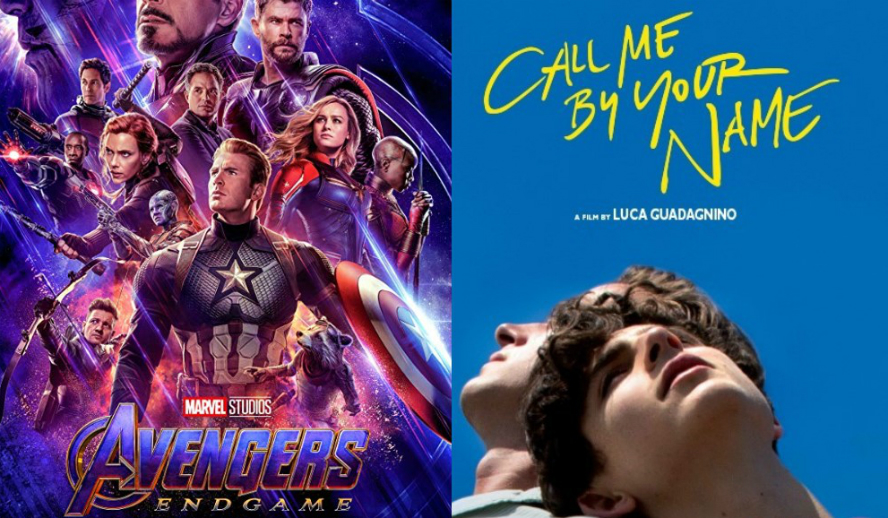
Picture this: on one side of Hollywood Boulevard, a studio executive greenlights a 250 million dollar superhero sequel featuring CGI explosions visible from space. On the other side, an indie filmmaker maxes out three credit cards to shoot a character-driven drama in their parent's basement. Both call themselves filmmakers. Both dream of packed theaters and critical acclaim. Yet their financial universes exist in completely different dimensions, separated by budgets, risk profiles, and wildly divergent definitions of success.
Understanding the economics of blockbusters versus indie films isn't just an academic exercise for film school nerds. It reveals why Hollywood keeps churning out sequels while original storytelling struggles for oxygen, why some 60,000 dollar films make 200 million dollars while 300 million dollar tentpoles somehow lose money, and ultimately, what kind of cinema survives in an entertainment landscape dominated by streaming platforms and shrinking attention spans.
The Budget Chasm: Where Hundreds of Millions Meet Tens of Thousands
Let's start with the most obvious difference: money. Blockbuster productions in 2025 typically command budgets ranging from 100 million to 350 million dollars for production alone. According to recent industry analysis, the average major studio film now requires approximately 65 million dollars just for production, with marketing and distribution adding another 35 million dollars on top.
But that's just the beginning. Marketing budgets for major releases regularly exceed 100 million dollars, with some tentpole films seeing promotional spending reach 200 to 300 million dollars. Marvel's Avengers: Endgame spent an estimated 200 million on marketing to support its 356 million dollar production budget. Disney's live-action Lion King allocated roughly 250 million for global marketing campaigns alone.
By contrast, indie films operate in what can only be described as financial survival mode. Independent productions typically range from 50,000 dollars for micro-budget projects to 10 million dollars for well-financed indie films, with the sweet spot sitting between 100,000 and 1 million dollars. The Blair Witch Project famously cost just 60,000 dollars. Paranormal Activity was made for 15,000 dollars. El Mariachi, Robert Rodriguez's breakthrough, cost a mere 7,000 dollars.
This isn't just a difference in scale. It's a difference in species. A blockbuster's craft services budget (that's the on-set catering, for the uninitiated) can exceed an entire indie film's production budget.
Breaking Even: The Math That Explains Hollywood's Sequel Obsession
Here's where things get deliciously complicated. A film that costs 100 million dollars to make doesn't break even at 100 million in box office revenue. Not even close.
According to research from the Wharton School, the average film needs to make approximately 373% return on investment just to break even after accounting for marketing costs and distribution splits. Why? Because marketing typically equals production costs (a 100 million dollar film gets another 100 million dollar marketing budget), and theaters keep approximately 50 to 55% of box office receipts.
Let me break down the waterfall of where money actually goes. When you pay 10 dollars for a movie ticket, the theater keeps about 5 dollars (50% split). The distributor then takes a 20 to 35% fee from the remaining 5 dollars, leaving approximately 3.50 dollars flowing back to the studio. So if a film cost 200 million dollars total (100 million production plus 100 million marketing), it needs to gross approximately 500 to 600 million dollars worldwide just to reach profitability.
Blockbuster economics operate on terrifyingly thin margins. According to Stephen Follows' analysis of 100 million dollar-plus Hollywood blockbusters, these films achieve an average profit margin of just 3.7%. That's razor-thin when you consider an investor could park their money in relatively safe bonds and earn comparable or better returns without risking 200 million dollars on whether audiences want another CGI-laden franchise installment.
For indie films, the math looks different but equally brutal. Research indicates that 97% of independent feature films fail to turn a profit. If you randomly select an independent film made in the US over the past twenty years, there's only a 3.4% chance it was profitable for its backers. Those are lottery-ticket odds, yet thousands of filmmakers chase that 3% every single year.
However, when indies do hit, the returns can be astronomical on a percentage basis. The Blair Witch Project turned 60,000 dollars into 248 million dollars worldwide. Paranormal Activity transformed 15,000 dollars into 193 million dollars. These represent returns of over 4,000% and 1,280,000% respectively, numbers that would make venture capitalists weep with envy.
Risk Profiles: Why Studios Bet Big on Franchises and Sequels
Hollywood's franchise obsession isn't artistic laziness or lack of imagination, though it certainly feels that way when you're watching the seventh Fast and Furious installment. It's calculated financial risk management.
Research analyzing sequel effectiveness over 26 years reveals that sequels generate significantly larger theater counts than non-sequels, creating an indirect supply-side advantage. They also generate more attendance in opening weeks, pulling in revenue upfront faster than original properties. Interestingly, sequels generate higher first-week attendance than their parent films, though lower total attendance overall, suggesting front-loaded audience interest driven by established fanbases.
The Atlantic's analysis of blockbuster economics explains why one dollar spent on a blockbuster goes further than a dollar spent on non-blockbusters. The potential for each mega-budget movie to spawn merchandise, licensing deals, theme park attractions, and sequels makes it strategically wise to bet enormous sums on a small number of big films rather than diversifying across many mid-budget productions.
This explains the disappearance of mid-budget films. Between 2004 and 2019, mid-budget films (roughly 20 to 70 million dollars) decreased by 40%. Studios realized they couldn't compete in the middle. Either go big with 200 million dollar spectacles that dominate global box office, or go small with contained budgets where a modest return still generates profitability.
For indie filmmakers, risk management means something entirely different: personal financial ruin. Many independent filmmakers finance projects through credit cards, personal savings, loans from family members, and small investor pools. When an indie film fails, it doesn't just cost the filmmaker their career prospects. It can cost them their house, their retirement savings, and their relationships.
According to filmmaker Noam Kroll's analysis of indie film profitability, most filmmakers assume they'll be in the lucky 3% who turn a profit, not realizing that profitable low-budget films almost always require star talent, agency representation, and top-tier festival placement, none of which are staples in the micro-budget world.
Marketing Asymmetry: 300 Million Dollar Campaigns vs Instagram Hustle
Marketing budgets have exploded to unprecedented levels for blockbusters. Industry statistics indicate marketing now consumes up to 30% of total film budgets, doubling from the pre-COVID era when marketing represented just 15%. Over 50% of film promotion budgets now flow to digital channels including social media, influencer partnerships, online trailers, and programmatic advertising.
This shift reflects audience behavior: modern viewers live on phones, streaming platforms, and short-form video apps. Studios must track engagement in real-time and pivot strategies quickly, requiring sophisticated analytics and substantial capital. According to recent data, 87% of consumers make purchase decisions after watching a brand's video, and 88% of video marketers report positive ROI, justifying these enormous marketing investments.
Contrast this with indie film marketing, which resembles guerrilla warfare more than strategic campaigns. Independent filmmakers employ grassroots tactics: festival circuits, word-of-mouth buzz, social media campaigns run by the filmmaker themselves at 2 AM between day jobs, and clever publicity stunts that generate viral attention without substantial budgets.
The Blair Witch Project's legendary marketing campaign cost relatively nothing but created a cultural phenomenon through a fabricated website about the Blair Witch legend, missing persons posters distributed globally, and mock newsreels that blurred fiction and reality. The found-footage style added raw authenticity that drew audiences into believing the events might be real, generating massive word-of-mouth that traditional advertising couldn't purchase at any price.
Jason Blum, founder of Blumhouse Productions, famously states that 50% or more of a film's success comes from marketing. His studio proved this with Terrifier 3, which achieved a customer acquisition cost of just 10 cents per ticket sold compared to industry averages of 3 dollars or more per ticket, enabling the film to recoup its 500,000 dollar budget with just 300,000 ticket sales instead of 2 million.
Distribution Strategies: Global Theatrical Releases vs Festival Circuit Prayers
Blockbusters launch with simultaneous global theatrical releases across thousands of screens. Major tentpoles open in 4,000 to 4,500 theaters domestically and thousands more internationally, supported by coordinated marketing blitzes designed to maximize opening weekend box office before word-of-mouth (positive or negative) influences audience decisions.
This saturation release strategy requires enormous capital but generates immediate revenue and cultural presence. Studios negotiate favorable terms with theater chains, often securing 60% or more of opening weekend box office for major franchises compared to standard 50% splits. These preferential arrangements reflect blockbusters' importance to theater survival, particularly post-pandemic when theatrical attendance remains depressed compared to pre-2020 levels.
Independent films face radically different distribution realities. Most indie films (approximately 90%) never receive theatrical releases at all. Of those that do reach theaters, the majority screen in limited releases, perhaps 10 to 100 theaters, generating minimal box office revenue insufficient to recoup production and marketing costs.
Instead, indie filmmakers pursue festival strategies, premiering at prestigious events like Sundance, SSBM, Toronto International Film Festival, Berlin, and Cannes to generate buzz, attract distributors, and secure acquisition deals. Festival selection provides visibility to curated audiences of critics, industry professionals, and potential buyers who can transform an unknown film into a sought-after property.
According to analysis of independent film distribution, successful festival strategies involve identifying festivals that align with the film's genre and target audience, preparing strong submission materials, creating buzz through social media, networking with festival programmers and distributors, and leveraging festival exposure to secure distribution deals or further screenings. However, even festival success doesn't guarantee profitability. Of independent films that reach cinemas, just under one-third achieve profitability, with approximately 60% failing to recoup costs.
Recent data shows that horror films represent the most profitable independent genre. As of 2024, the five most profitable mid-budget movies were all horror films, demonstrating genre's importance to indie commercial success. Independent horror films that reach cinemas slightly outperform Hollywood blockbusters in profitability rates, achieving nearly 50% recoupment rates.
Creative Freedom vs Commercial Constraints
Perhaps the most profound economic difference manifests in creative decision-making. Blockbusters serve committee-driven consensus, designed to appeal to the widest possible global audience. Studios invest hundreds of millions expecting returns justifying those enormous budgets, which necessitates risk-averse storytelling focused on established intellectual property, franchise potential, and internationally translatable spectacle over culturally specific narratives.
This explains the prevalence of superhero films, animated features, and action franchises in blockbuster slates. These genres travel internationally, transcending language barriers through visual storytelling that resonates across cultures. According to industry analysis, moviegoers as a percentage of population peak in teenage years and decline substantially afterward, pushing studios toward content appealing to younger demographics who still attend theaters regularly.
Independent films thrive on creative risk-taking that blockbusters can't afford. Free from studio mandates and committee oversight, indie filmmakers explore unconventional narratives, diverse casting, culturally specific stories, and experimental techniques that wouldn't survive corporate approval processes. Films like A24's A Ghost Story, which cost just 100,000 dollars and earned nearly 2 million at the box office, demonstrate how distinctive creative visions can generate outsized returns when properly matched with receptive audiences.
According to producer data analyzing independent film revenue, no clear determinative factors beyond budget range predict whether films break even or profit. Conventional wisdom suggesting certain genres consistently outperform others proves false. Dramas don't necessarily perform worse than horror or thrillers. Success depends on knowing your film's audience, identifying platforms where those viewers watch films, and executing targeted distribution matching content to audience.
The Streaming Disruption: How Digital Platforms Changed Everything
Streaming platforms fundamentally altered both blockbuster and indie film economics. For blockbusters, streaming created additional revenue windows beyond theatrical releases but complicated profitability calculations. Films now generate income through theatrical runs, premium VOD, subscription streaming licenses, and ongoing library value.
According to Parrot Analytics, movies now drive nearly 50% of total streaming revenues across major platforms, up from just 27% in 2022. This shift transformed films from primarily theatrical properties to multi-platform assets with value extending across years rather than months.
For indie films, streaming represents both opportunity and challenge. On one hand, platforms like Netflix, Amazon Prime, Hulu, and specialized services provide distribution channels previously inaccessible to independent filmmakers, enabling films to reach global audiences without traditional theatrical distribution. Private equity investors increasingly eye indie films specifically for streaming potential, recognizing that digital platforms create monetization pathways beyond traditional gatekeepers.
However, streaming licensing deals rarely provide sufficient upfront payments for indie films to recoup production costs. According to filmmaker analysis, indie filmmakers "lucky" enough to be acquired by streaming platforms still struggle to recoup investment due to modest licensing fees that don't compensate for theatrical revenue cannibalization. The median ROI for independently financed movies sits at negative 13.12%, indicating that most lose money even when accounting for all revenue streams including streaming.
Success Stories: When David Beats Goliath
Despite brutal statistics, legendary success stories keep indie filmmakers grinding. Juno, made for 7.5 million dollars, earned 232 million dollars worldwide and won the Academy Award for Best Original Screenplay. Little Miss Sunshine, created for 8 million dollars, earned over 101 million worldwide after Fox Searchlight paid a record-breaking 10.5 million dollars for distribution rights following a standing ovation at Sundance.
Rocky represents perhaps the ultimate underdog success story. Made for just over 1 million dollars, the film earned over 225 million worldwide and won three Oscars including Best Picture. Sylvester Stallone wrote the screenplay and starred, living the underdog narrative both on-screen and off, proving that personal authenticity and strategic distribution can elevate a film's reach exponentially.
More recent examples demonstrate indie success remains possible. Neon's Parasite became the first foreign-language film to win Best Picture, grossing over 258 million dollars worldwide from a modest production budget. Blumhouse's Get Out, made for 4.5 million dollars, earned 255 million worldwide, demonstrating how culturally resonant storytelling with modest budgets can generate blockbuster-level returns.
The Sustainability Question: Can Either Model Survive?
Both blockbuster and indie film economics face existential challenges. For blockbusters, the rising trend of 300 million dollar budgets raises serious viability questions. Some productions now exceed 300 million before marketing, requiring 750 million to 1 billion in total worldwide revenue just to break even. This high-stakes approach becomes increasingly precarious as theatrical attendance remains suppressed compared to pre-pandemic levels and streaming fragments audience attention.
Analysts question whether studios can sustain this model long-term. The mathematics of blockbuster profitability paint a sobering picture. Every 200 million dollar-plus budget film since 2000 has grossed at least its production budget, yet profitability isn't guaranteed after accounting for marketing and distribution. Studios mitigate risk through portfolio approaches, producing films across genres annually and hoping some generate sufficient profits to offset inevitable losses, but this strategy requires enormous capital reserves few entities possess.
For indie films, sustainability challenges differ but prove equally daunting. The 97% failure rate means most independent filmmakers never recoup their investments, creating an ecosystem where passion and delusion intermingle. Before 2011, independent films were substantially more likely to break even or make money. The period between 2011 and 2017 saw increasing difficulty, which has grown worse since then as streamers consolidated market dominance.
Until a new model fundamentally changes the game (hopefully in independent film's favor), breaking even or making profits will become increasingly difficult. Streamers continue consolidating and dominating markets, making the task of getting audiences to spend money on content elsewhere an ever-higher hurdle.
The Cinematic Ecosystem Requires Both Approaches
Despite their differences, both blockbusters and indie films serve essential functions within the entertainment ecosystem. Blockbusters keep theaters operating, employ thousands of crew members, generate ancillary revenues supporting studio operations, and create shared cultural experiences that unify global audiences.
Independent films preserve cinema's soul, proving that limited resources can spark limitless creativity, providing training grounds for emerging talent, exploring stories mainstream studios won't touch, and occasionally generating the breakthrough hits that reshape entire genres.
The healthiest film industry supports both approaches. Audiences benefit when multiplexes offer both 200 million dollar spectacles and 200,000 dollar character studies. Filmmakers need pathways from micro-budget experiments to studio tentpoles. The ecosystem thrives on diversity: blockbusters subsidize risk-taking on smaller projects, while indie innovation feeds creative ideas into mainstream productions.
Different Games, Different Scorecards, Both Worth Playing
The economics of blockbusters versus indie films aren't just different by degree. They represent fundamentally distinct business models with separate risk profiles, success metrics, creative constraints, and financial architectures.
Blockbusters play a high-stakes game where 300 million dollar bets either generate billion-dollar returns or catastrophic losses, where creative decisions serve global consensus, and where success means launching franchises generating revenue across decades. Indie films play a volume game where 97% fail but the lucky 3% can generate life-changing returns for filmmakers and investors willing to embrace enormous risk in pursuit of creative visions that wouldn't survive corporate approval.
Understanding these economics transforms casual moviegoing into appreciation for the thousands of decisions, financial calculations, and strategic gambles behind every frame. Whether you're watching a 300 million dollar superhero epic or a 30,000 dollar mumblecore drama, you're witnessing the results of radically different approaches to the same fundamental question: how do you convince audiences to invest their time and money in your story?
In 2025, both blockbusters and indie films face unprecedented challenges from streaming fragmentation, theatrical decline, and changing audience behaviors. Yet both persist because cinema, at its best, offers something irreplaceable: shared experiences that surprise us, challenge us, and remind us what makes us human. The economics may be brutal, but the magic endures.


Comments
Post a Comment