Inside the Film Festival Circuit: The Business Behind Prestige
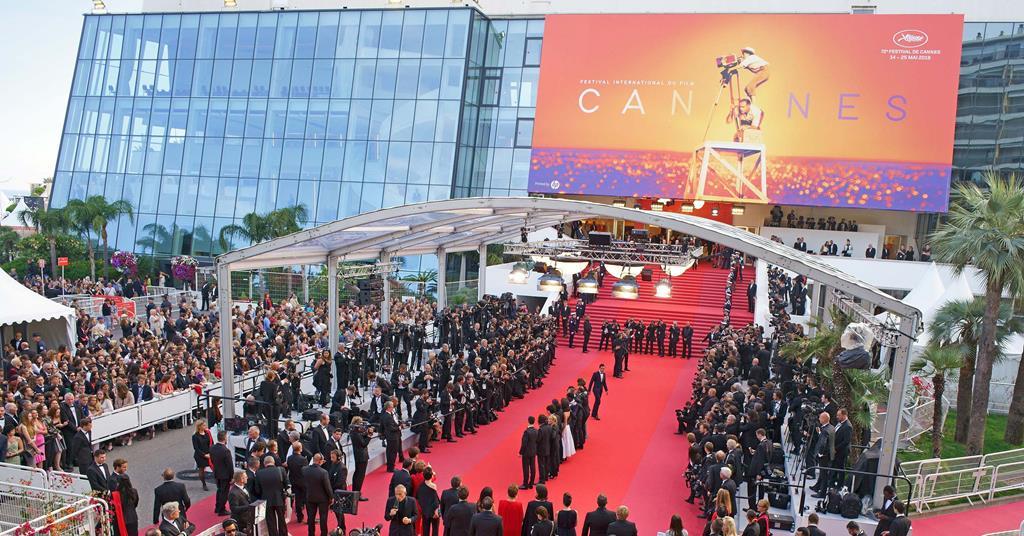
Welcome to the glamorous world of film festivals, where champagne flows freely, red carpets unfurl for miles, and everyone's business card lists them as a "producer" working on their next project. Beneath the surface sparkle and air-kiss networking rituals lies a fascinating economic ecosystem where prestige meets profit, where 30,000-euro prizes compete with million-dollar distribution deals, and where a 750,000 dollar indie film can transform its director into the architect of a 150 million dollar blockbuster franchise. Understanding how film festivals actually operate reveals a sophisticated business model balancing cultural significance with financial sustainability, where submission fees from hopeful filmmakers subsidize industry networking infrastructure, and where the pursuit of artistic recognition creates genuine economic value for cities, distributors, and the lucky few whose films capture lightning in a bottle.
The film festival circuit operates as cinema's unofficial stock exchange, where cultural capital converts into financial opportunity through mechanisms far more complex than simple ticket sales or corporate sponsorships. From Sundance's exclusive Catalyst investor gatherings to Cannes' branded gifting suites, festivals have evolved into sophisticated business platforms where the economics of art meets the art of economics.
The Festival Economy: How Prestige Pays the Bills
Film festivals occupy a unique economic position as cultural institutions that must operate commercially while maintaining artistic credibility. According to comprehensive research analyzing the economics of film festivals, 69 percent of festivals receive funding from at least three different sources, while only 14 percent rely on single income streams, revealing the sophisticated financial architecture required to sustain these cultural events.
The primary revenue streams include corporate sponsorships, which provide the largest funding source for major festivals. Cannes famously partners with luxury brands including Chopard, Nestle, and HP, leveraging the festival's social media presence and celebrity attendee visibility to justify premium sponsorship fees. Corporate sponsors gain access not just to branding opportunities but to gifting suites where celebrities pose with branded products, creating invaluable marketing content.
Ticket sales represent another crucial revenue source, though festivals face unique challenges compared to traditional entertainment venues. Unlike theaters showing popular blockbusters, festivals screen unknown films to specialized audiences, requiring sophisticated programming and marketing to generate attendance. According to festival economics research, successful festivals balance crowd-pleasing selections with challenging artistic content, ensuring both commercial viability and cultural credibility.
Submission fees have become increasingly significant revenue generators. Analysis of 4,631 film festivals reveals that 65 percent charge submission fees, with average costs ranging from 30 to 55 dollars for short films and 47 to 87 dollars for features, depending on deadline timing. The average festival offers 37.5 different fee combinations, creating complex pricing structures that maximize revenue through early-bird incentives and deadline premiums.
However, submission fees represent only 15 percent of typical festival income, contradicting common filmmaker perceptions that festivals primarily operate as money-making schemes exploiting hopeful artists. Instead, festivals employ submission fees as one component of diversified funding strategies necessarily including grants, sponsorships, government support, and ticket revenue to achieve financial sustainability.
The Filmmaker Investment: Chasing Distribution Through Festival Circuits
For filmmakers, film festivals represent substantial financial investments with uncertain returns. According to industry analysis, filmmakers often don't make money directly from festival participation; instead, festivals provide platforms for securing distribution deals, attracting industry attention, and building professional networks that generate future opportunities.
The submission fee structure alone creates significant filmmaker expenses. With fees ranging from 20 to over 100 dollars per festival, filmmakers pursuing comprehensive festival strategies can easily spend thousands of dollars across multiple submissions. According to recent calculation, submitting a 90-second short film to every eligible festival would cost over 300,000 dollars in submission fees alone, though obviously no filmmaker pursues such an exhaustive approach.
Strategic festival submission requires sophisticated financial planning. According to industry guidance, filmmakers should allocate approximately 3 to 5 percent of total production budgets toward festival campaigns, balancing submission costs against potential returns through distribution deals, industry networking, and career advancement opportunities.
The economics prove particularly challenging for independent filmmakers operating with limited budgets. A filmmaker who spent 750,000 dollars producing their feature film might reasonably allocate 25,000 to 40,000 dollars toward festival submissions and associated costs including travel, accommodations, and promotional materials. This investment represents genuine financial risk, as most festival submissions result in rejection rather than acceptance.
However, successful festival campaigns can generate extraordinary returns. Colin Trevorrow's transformation from "Safety Not Guaranteed" (750,000 dollar Sundance film) to "Jurassic World" (150 million dollar studio blockbuster) director exemplifies how festival success creates career opportunities dwarfing initial investment costs. Such success stories, while exceptional, justify continued filmmaker investment in festival strategies despite uncertain odds.
The Distribution Marketplace: Where Art Becomes Commerce
Major film festivals function as sophisticated distribution marketplaces where artistic achievement meets commercial opportunity. Sundance Film Festival particularly exemplifies this dynamic, serving as a crucial hub where production companies gather to discover commercially viable content while facilitating multi-million-dollar acquisition deals following festival premieres.
Notable Sundance success stories include "Little Miss Sunshine," which secured one of the largest deals in Sundance history, and "Whiplash," which attracted Sony Pictures for international distribution. Both films subsequently won multiple Academy Awards, validating the commercial instincts of festival acquisition executives and demonstrating how festival recognition translates into broader commercial success.
The infrastructure supporting these distribution deals extends far beyond screening rooms. Sundance provides specialized spaces including the Filmmaker Lodge and Sundance Industry Office, which host strategic meetings where producers, filmmakers, and investors discuss projects in environments designed to facilitate professional collaboration. Additionally, exclusive lounges for major studios, sponsoring brands, and industry organizations create informal networking atmospheres equally effective for generating deals.
According to industry analysis, festivals with strong distribution track records like Sundance provide filmmakers significantly better odds of securing commercial representation compared to smaller, regional festivals. The prestige associated with major festival selections creates market value independent of individual film quality, as distributors recognize that festival credentials provide marketing advantages and critical credibility supporting commercial releases.
However, festival distribution success requires careful strategic planning. Filmmakers must coordinate festival premieres with distribution strategies, ensuring that festival exposure occurs at optimal timing for securing acquisition deals while maintaining eligibility for additional festival circuits that might provide alternative distribution pathways.
The Networking Infrastructure: Relationship Building as Economic Development
Film festivals have evolved sophisticated networking infrastructure that extends far beyond casual social interaction. According to industry documentation, successful festivals deliberately create structured networking opportunities including panel discussions, masterclasses, industry Q&A sessions, and organized meetups connecting filmmakers with potential collaborators, investors, and distribution partners.
This networking infrastructure represents genuine economic value for participants. Relationships forged at festivals frequently evolve into future project collaborations, financing arrangements, and professional partnerships that generate revenue streams extending years beyond initial festival encounters. The collaborative atmosphere enables emerging filmmakers to connect with seasoned professionals who provide mentorship, guidance, and access to industry opportunities otherwise difficult to access.
The economic value of festival networking explains why industry professionals continue investing time and resources in festival attendance despite costs including travel, accommodations, and opportunity costs from time away from other projects. For many film industry professionals, festivals represent essential relationship-building activities supporting long-term career development and business opportunities.
Sundance Institute has formalized this networking approach through its Catalyst program, which explicitly connects independent investors with filmmakers seeking production financing. Through year-round programming including educational events, cultural activities, and carefully curated financing opportunities, Catalyst creates structured relationship-building processes designed to generate genuine investment deals rather than purely social networking.
The Catalyst Forum specifically brings together approximately 50 financiers with 8 to 10 fiction and documentary features seeking production financing, creating concentrated networking environments where artistic projects meet investment capital through project presentations, individual meetings, and informal social interactions. This structured approach demonstrates how festivals can systematically convert networking activities into measurable economic outcomes.
The Regional Economic Impact: How Festivals Transform Local Economies
Film festivals generate substantial economic impact for host cities and regions, creating revenue streams that extend far beyond the festival industry itself. According to economic analysis, festivals attract visitors who spend money on accommodations, restaurants, transportation, and local entertainment, creating economic multiplier effects benefiting entire regional economies.
Major festivals like Cannes, Sundance, and Toronto International Film Festival (TIFF) generate tens of millions of dollars in direct economic impact through visitor spending, with additional indirect economic benefits including enhanced destination marketing, cultural tourism development, and long-term economic development through industry relationships and business attraction.
This economic impact explains why cities and regions compete to host major festivals and why government entities provide financial support for festival operations. Festivals represent cultural infrastructure that generates both immediate economic activity and long-term economic development benefits through enhanced regional reputation, networking relationships, and cultural capital accumulation.
The economic development potential extends beyond direct festival activities. Cities hosting major festivals often experience increased film production activity as industry professionals become familiar with local resources, talent, and infrastructure. This secondary economic impact can generate ongoing revenue through production spending, employment opportunities, and related business development.
According to research on festival economics, successful festivals create economic value that significantly exceeds their operational costs, justifying public and private investment in festival infrastructure and programming. This economic justification explains why festival funding involves combinations of government support, corporate sponsorship, and private investment rather than purely philanthropic cultural funding.
The Submission Fee Controversy: Investment or Exploitation?
The growing prevalence and cost of submission fees has generated significant debate within the filmmaking community, with critics arguing that festivals exploit filmmaker desperation while supporters maintain that fees represent necessary operational funding for nonprofit cultural organizations.
According to comprehensive analysis of submission fee structures, festivals typically justify fees as covering administrative costs, judging expenses, and operational infrastructure rather than generating profits. However, filmmaker skepticism persists, particularly when festivals cancel public screenings while retaining submission fees or when evidence suggests inadequate film evaluation in exchange for submission payments.
The submission fee debate intensified following incidents like WorldFest-Houston's cancellation of public screenings while refusing to return submission fees, arguing that fees cover judging and administration rather than screenings themselves. Such controversies highlight tension between festival business needs and filmmaker expectations regarding services provided in exchange for submission payments.
Research by filmmaker Chris Suchorsky, who tracked festival viewing of his submitted film through Vimeo analytics, revealed inconsistent festival behavior regarding actual film evaluation. While some festivals watched complete submissions, others viewed only portions, and at least one festival showed zero viewing activity despite accepting submission fees. Though these findings have methodological limitations, they illustrate filmmaker concerns about festival accountability in exchange for submission payments.
However, industry analysis suggests that submission fees remain economically justified when viewed as investments in potential career advancement rather than guaranteed services. Successful festival placement can generate distribution deals, industry relationships, and career opportunities worth thousands or millions of dollars, making submission fees economically rational despite uncertain odds of acceptance or success.
The Prize Economy: Awards as Career Currency
Film festival awards represent unique forms of economic value that convert cultural recognition into commercial opportunity. Prize money itself often proves modest compared to career advancement potential; for example, Cannes' Prix Un Certain Regard provides 30,000 euros plus distribution assistance, meaningful amounts but secondary to career enhancement value provided by prestigious recognition.
Awards serve multiple economic functions beyond direct monetary value. Festival awards provide marketing credibility that distributors leverage in commercial releases, with films promoted as "Sundance Winner" or "Cannes Selection" commanding audience attention and critical consideration that translates into box office performance. This marketing value often exceeds direct prize money substantially.
Additionally, festival awards influence future financing opportunities as investors and producers recognize award-winning filmmakers as reduced-risk investments for subsequent projects. Directors who win major festival awards frequently secure development deals, production financing, and professional representation that generate career earnings far exceeding original prize amounts.
The awards economy extends beyond individual filmmaker benefits to influence distributor acquisition strategies. Films winning major festival awards command higher acquisition prices and receive more aggressive marketing support from distributors who recognize that awards provide pre-established marketing narratives supporting commercial releases.
However, the awards economy creates interesting dynamics where commercial and artistic considerations intersect. Festivals must balance artistic integrity with practical recognition that awards influence member careers and industry perceptions, creating subtle pressures to recognize films with commercial potential alongside purely artistic achievements.
The Virtual Festival Evolution: Digital Transformation and Economic Impact
The COVID-19 pandemic accelerated digital transformation within the festival circuit, creating hybrid models combining traditional in-person networking with virtual screening and distribution capabilities. This evolution has created new economic models and accessibility opportunities while challenging traditional festival business structures.
Virtual and hybrid festivals offer reduced operational costs through eliminated venue rentals and reduced staff requirements, potentially enabling ticket price reductions and expanded global accessibility. However, virtual formats also challenge traditional networking and relationship-building activities that represent core festival value propositions for industry professionals.
According to analysis of virtual festival adoption, platforms have successfully maintained certain festival functions including film screening and panel discussions while struggling to replicate informal networking activities and spontaneous collaboration opportunities that characterize in-person festival experiences.
The economic implications of virtual festival evolution remain uncertain. Reduced operational costs could enable more sustainable festival economics, but reduced networking value might diminish sponsor interest and industry participation. The optimal future model likely involves strategic combination of virtual accessibility with preserved in-person networking infrastructure.
Early evidence suggests that hybrid models providing virtual access to screenings while maintaining in-person industry events achieve superior participant satisfaction compared to purely virtual approaches, indicating that future festival evolution will likely emphasize technological enhancement of traditional models rather than complete digital replacement.
The Future of Festival Economics: Sustainability Meets Innovation
Contemporary film festivals face evolving economic pressures requiring strategic adaptation to changing industry dynamics, audience behaviors, and technological capabilities. According to industry analysis, successful festival evolution requires balancing traditional cultural missions with commercial sustainability and technological innovation.
Key challenges include growing competition from streaming platforms that provide filmmakers alternative distribution pathways, changing audience consumption patterns that emphasize convenience over communal viewing experiences, and economic pressures on sponsor organizations and government funding sources that traditionally support festival operations.
However, festivals retain unique value propositions including relationship-building infrastructure, cultural prestige, and concentrated industry access that streaming platforms cannot easily replicate. Successful festivals will likely emphasize these distinctive advantages while incorporating technological capabilities that enhance rather than replace core networking and discovery functions.
According to Stephen Follows' research on festival economics, the most sustainable festivals demonstrate financial diversification, innovative programming, and strong community relationships that generate both immediate economic value and long-term cultural capital supporting continued operations and growth.
The future festival landscape will likely feature increased specialization, with festivals developing distinctive programming niches, geographic focuses, or industry relationships that provide clear value propositions for filmmakers, industry professionals, and audiences rather than attempting to compete directly with major festivals across all categories.
The Cultural Capital Exchange: Where Art Creates Economic Value
Film festivals represent sophisticated marketplaces where cultural capital converts into economic opportunity through mechanisms far more complex than traditional commerce. The festival circuit operates as cinema's alternative financial system, where artistic achievement, industry relationships, and cultural prestige combine to create career opportunities, distribution deals, and investment returns that dwarf direct festival revenue.
Understanding festival economics reveals how cultural institutions sustain themselves through diversified funding strategies balancing public support with commercial revenue while maintaining artistic integrity and cultural significance. For filmmakers, festivals represent strategic investments in career development rather than guaranteed financial returns, requiring sophisticated cost-benefit analysis and strategic planning to optimize outcomes within limited budgets.
For the broader entertainment industry, festivals serve as essential infrastructure supporting independent content development, talent discovery, and cultural diversity that enriches the artistic landscape while generating genuine economic value through job creation, regional economic development, and ongoing business relationship facilitation.
Where Prestige Becomes Profit: The Enduring Economics of Cultural Celebration
The film festival circuit will continue evolving as technology, industry dynamics, and cultural preferences shift, but the fundamental economic logic underlying festival operations appears likely to persist. The combination of cultural celebration, professional networking, and commercial opportunity that characterizes successful festivals addresses genuine industry needs while creating sustainable economic models that benefit filmmakers, industry professionals, host communities, and cultural development broadly.
In 2025 and beyond, the most successful festivals will be those recognizing that economic sustainability and cultural significance reinforce rather than conflict with each other, creating programming and business models that generate both immediate commercial value and long-term cultural capital supporting continued artistic innovation and professional development within the global film industry.


Comments
Post a Comment