How AI Is Transforming Scriptwriting and Story Development: The Algorithmic Revolution in Creative Writing
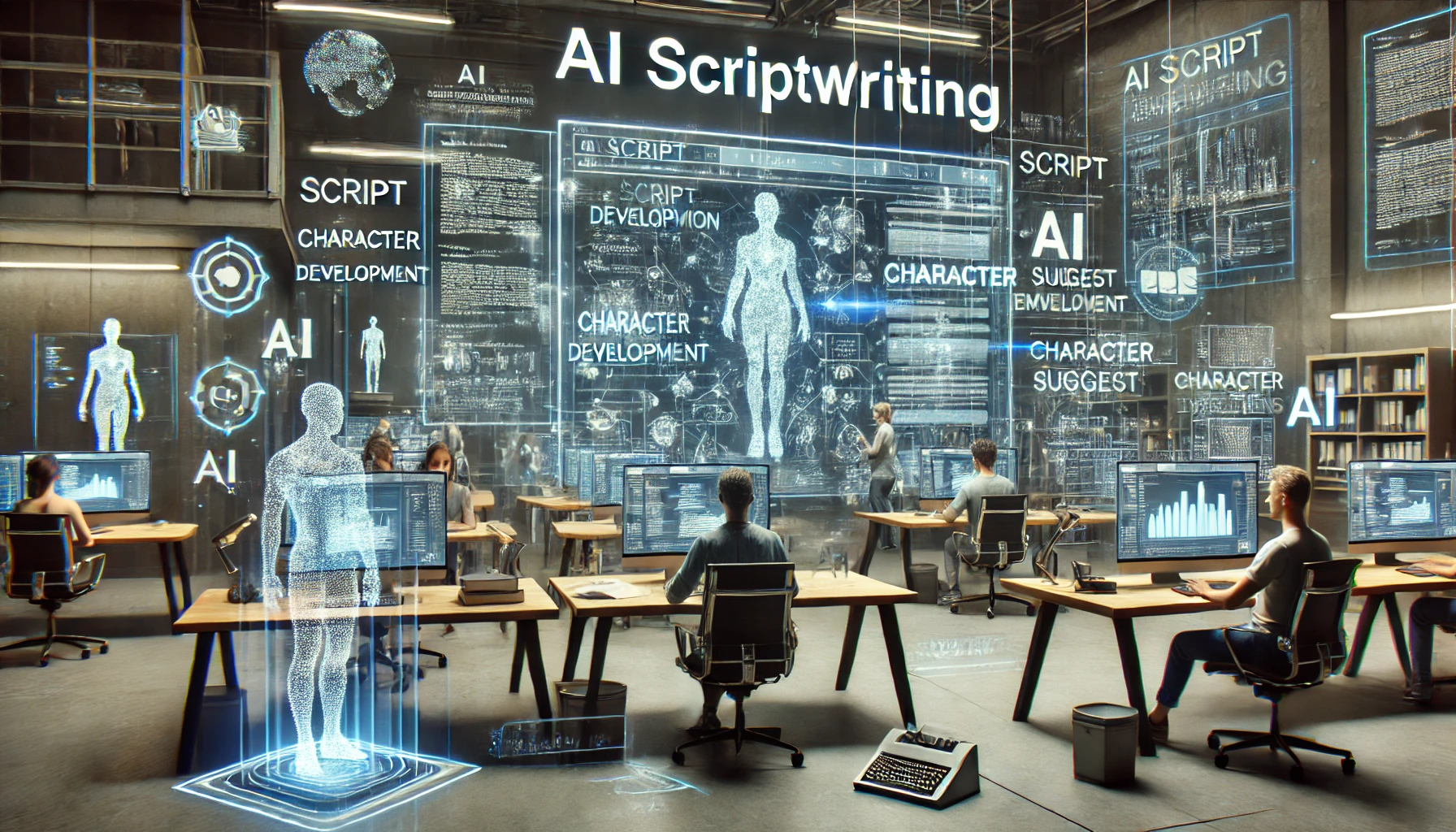
The blank page that once terrified screenwriters into creative paralysis has met its match. Artificial intelligence is fundamentally transforming how stories get conceived, developed, and refined, introducing tools that function as collaborative creative partners rather than mere automation systems. Writers employing AI assistance report reducing act-two rewrite time by approximately fifty percent while simultaneously discovering creative directions they might never have considered independently. According to DevOpsSchool analysis, the global AI content creation market surges toward $47.5 billion by 2030, with AI scriptwriting tools representing fastest-growing segment as platforms including Squibler, Sudowrite, ScriptBook, and Claude become standard infrastructure in professional writing rooms. Yet this transformation simultaneously generates profound questions about creativity's nature, authorship authenticity, and whether AI enhances human imagination or merely simulates it convincingly.
Understanding AI's scriptwriting transformation requires grasping not merely technological capabilities but rather fundamental reconceptualization of creative work itself, recognizing how human imagination and algorithmic capability intertwine in emerging storytelling practices.
The Evolution: From Blank Page Terror to Algorithmic Assistance
Traditional screenwriting involved singular solitary process: writers staring at blank pages, struggling with structure, wrestling with dialogue, revising endlessly through inefficient iteration cycles. According to documentation of traditional workflows, screenplays required months of development, countless revision iterations, and heavy reliance on external feedback for structural validation.
This process created profound inefficiencies. According to analysis of professional screenwriting, writers frequently spent disproportionate time on technical aspects including formatting, structural organization, and revision rather than creative ideation. Additionally, writer's block generated cascading delays: blocked writers produced nothing, schedules slipped, production timelines extended, and projects experienced cost overruns.
Enter contemporary AI scriptwriting tools: ChatGPT, GPT-4, Claude, Sudowrite, Squibler, and ScriptBook dramatically accelerated scriptwriting workflows through algorithmic assistance. According to documentation, these tools operate not as replacement writers but rather as collaborative partners offering suggestions, generating alternatives, and providing structural guidance enabling human writers focusing on authentic creative vision rather than technical execution.
The Technology Stack: How AI Actually Generates Scripts
Understanding AI scriptwriting requires grasping technical foundations enabling these capabilities. According to HashStudioz analysis, contemporary AI scriptwriting employs multiple interconnected technologies:
Natural Language Processing (NLP) enables AI understanding and generating human language with nuanced meaning capture. NLP systems analyze thousands of existing scripts identifying linguistic patterns, dialogue rhythms, character voice characteristics, and narrative conventions defining specific genres.
Machine Learning Algorithms identify patterns across massive script databases, recognizing what makes storytelling effective. According to documentation, ML systems trained on thousands of scripts across genres learn genre-specific structures, pacing conventions, character archetypes, and plot progression patterns. This learned understanding enables AI generating new scripts matching learned patterns while potentially discovering novel combinations.
Deep Learning and Neural Networks enable sophisticated pattern recognition transcending basic template matching. According to technical documentation, transformer-based models including GPT-4 and Claude capture long-term narrative dependencies, understand subtle character relationships, and generate emotionally coherent multi-page scripts maintaining consistent tone, voice, and character motivation across complete screenplays.
Generative Models specifically designed for creative content transform learned patterns into novel outputs. Rather than merely reproducing existing scripts, generative models create original content combining learned patterns in unprecedented ways. According to analysis, these models function probabilistically, generating multiple potential outputs for same input prompt, enabling selection of most creatively compelling option.
This technological combination enables capabilities that appeared impossible just years ago: AI generating complete scenes in minutes, suggesting dialogue modifications improving emotional resonance, identifying overused tropes and proposing fresh alternatives, and providing real-time feedback on pacing and structure.
Practical Applications: How AI Enhances Scriptwriting Workflows
Contemporary AI scriptwriting tools demonstrate diverse practical applications addressing specific screenwriting challenges. According to Indie Shorts Magazine research, writers employing AI assistance report particular benefits in specific workflow stages:
Overcoming Writer's Block represents perhaps most immediate AI benefit. According to documentation, AI suggestion-based approaches generate creative momentum enabling writers escaping paralysis through rapid iteration. Tools including Sudowrite provide dialogue alternatives, scene extensions, and narrative suggestions enabling writers resuming creative flow when blocked.
Dialogue Enhancement leverages AI's language pattern expertise. According to analysis from screenwriting professionals, AI can generate believable, emotionally resonant dialogue matching character voice, maintaining consistency across scenes, and suggesting more natural conversation flows. Writers report that AI dialogue suggestions, while requiring human refinement, frequently exceed initial human-generated dialogue quality.
Plot Development and Structure employs AI's pattern recognition for story architecture. According to documentation, AI can generate story outlines, identify plot holes, suggest character arc developments, and verify narrative consistency. Writers report that AI structural feedback accelerates identification of issues requiring attention, compressing revision cycles dramatically.
Scene Generation and Expansion demonstrates AI's capacity producing complete scenes. According to ScriptBook and similar tools' documentation, writers can provide scene descriptions generating full scenes with dialogue, action, and character interaction. Writers report using AI-generated scenes as starting points, refining rather than creating entirely from scratch.
Trope Identification and Fresh Angles addresses creative originality concerns. According to Indie Shorts Magazine analysis, AI trained on thousands of scripts identifies overused storytelling patterns, highlights clichéd character archetypes, and suggests fresh narrative approaches. Writers report this feedback cuts revision time by approximately fifty percent by enabling rapid identification of problematic conventionality requiring reimagining.
The Tools: Landscape of AI Scriptwriting Platforms
According to DevOpsSchool's 2025 analysis, leading AI scriptwriting tools each offer distinct capabilities addressing different creative needs:
Squibler provides comprehensive screenplay generation with sensory detail enhancement, enabling writers rapidly drafting scripts with atmospheric richness. The platform offers real-time collaboration, distraction-free writing mode, and chapter visualization facilitating organized creative development.
Sudowrite specializes in creative writing enhancement, featuring story bible organization, dialogue improvement tools, "What If" brainstorming capabilities, and chapter generation from synopses. According to documentation, Sudowrite employs Muse LLM optimized specifically for creative writing rather than generic language models.
ScriptBook focuses on data-driven script evaluation, analyzing complete screenplays predicting audience engagement probability, identifying story weaknesses, estimating production costs, and providing detailed feedback on character, structure, and emotional beats. According to documentation, ScriptBook's analysis helps producers evaluate screenplay viability before production commitment.
ChatGPT and Claude provide general-purpose language models applicable to scriptwriting, generating entire scenes, suggesting dialogue, providing structural feedback, and brainstorming narrative alternatives. According to analysis, these general models lack screenwriting specialization but offer remarkable flexibility and creativity.
Jasper combines screenwriting assistance with marketing content generation, enabling writers rapidly drafting scripts while leveraging broader writing capabilities. According to documentation, Jasper offers structured templates, collaboration features, and quick iteration cycles reducing writing time.
Mugafi's VED provides AI-assisted story development, character creation, universe building, and structural refinement alongside automated formatting and production-ready output. According to documentation, VED focuses on comprehensive story development rather than mere scene generation.
The Capabilities and Limitations: What AI Actually Achieves
Contemporary AI scriptwriting tools demonstrate remarkable capabilities alongside significant limitations clearly defining current technology boundaries. According to analysis from multiple sources, current AI excels at:
Rapid Ideation: Generating story premises, plot variations, character concepts, and scene ideas at unprecedented speed.
Technical Execution: Formatting, grammar correction, consistency verification, and structural organization automating tedious technical aspects.
Pattern Recognition: Identifying overused tropes, suggesting fresh angles, and recognizing narrative inconsistencies through pattern matching across thousands of examples.
Dialogue Generation: Creating believable character dialogue maintaining voice consistency and emotional appropriateness.
However, significant limitations persist:
Emotional Authenticity: While AI generates emotionally resonant dialogue superficially, deep emotional authenticity reflecting genuine human experience remains elusive. According to analysis, AI struggles generating dialogue emerging from authentic lived experience that audiences instinctively recognize as genuine.
Thematic Originality: AI generates novel combinations of learned patterns, rarely producing genuinely innovative thematic material transcending training data patterns. According to documentation, breakthrough originality reflecting fundamentally new storytelling approaches remains distinctly human capability.
Narrative Wisdom: Complex narrative ambiguity, philosophical depth, and thematic sophistication transcending surface-level pattern matching represent areas where human insight exceeds AI capability.
Cultural Specificity: AI struggles generating culturally specific storytelling reflecting genuine cultural understanding, often producing culturally inauthentic content despite pattern matching sophistication.
The Collaboration Model: Human-AI Creative Partnership
According to emerging consensus across industry sources, optimal scriptwriting employs human-AI collaboration rather than pure automation or pure human effort. According to documentation, successful models involve humans providing creative direction, thematic vision, and emotional authenticity while AI handles rapid iteration, technical execution, and pattern matching suggesting alternatives.
According to analysis from Mugafi and similar platforms, emerging writing rooms increasingly feature human writers collaborating with AI systems in real-time: writers propose ideas, AI generates alternatives, humans evaluate and refine, AI incorporates feedback, and iterative cycles compress dramatically compared to traditional human-only processes.
This collaboration model preserves human creative primacy while leveraging AI's efficiency advantages. According to documentation, writers retain authentic creative authority, ensuring emotional authenticity and thematic coherence while delegating technical assistance to algorithmic systems excelling at such work.
Accessibility and Democratization: Lowering Creative Entry Barriers
Perhaps most significant AI scriptwriting impact involves democratizing screenwriting accessibility. According to analysis from Bizz-O-Tech, AI tools enable aspiring writers without formal training rapidly producing quality scripts matching industry standards.
According to documentation, writers previously excluded from screenwriting through lack of training, resources, or mentorship can now access professional-quality tools enabling competitive script development. Additionally, writers from non-Western traditions can leverage AI to develop stories reflecting authentic cultural perspectives previously underrepresented in mainstream screenwriting.
This democratization creates diverse storytelling opportunities: underrepresented voices previously excluded from institutional gatekeeping can produce scripts attracting production attention and audience engagement previously impossible without established industry access.
The Future: Real-Time Collaboration and Integrated Workflows
According to HashStudioz and industry analysis, AI scriptwriting's future likely involves increasingly integrated creative workflows where AI assistance becomes invisible infrastructure enabling seamless human-AI collaboration.
Emerging capabilities include real-time scene drafting during creative meetings, interactive brainstorming generating instant alternatives, on-set script adjustments during filming, and AI providing narrative diagnostics identifying tone mismatches or plot inconsistencies during writing sessions.
Additionally, cross-platform integration will likely enable writers developing scripts while simultaneously generating visual storyboards, production notes, and casting suggestions, creating comprehensive creative packages from single integrated workflow.
Where Technology Enhances Rather Than Replaces Human Imagination
AI transformation of scriptwriting represents not automation eliminating human creativity but rather technological partnership amplifying human capability. According to comprehensive analysis, optimal outcomes emerge from collaborations where humans retain authentic creative primacy while leveraging AI's efficiency, suggestion capability, and technical excellence.
The Creative Renaissance: When Algorithms Become Storytelling Partners
AI's transformation of scriptwriting represents profound shift in creative work fundamentally altering how stories develop, how writers work, and who can participate in screenwriting. Rather than replacing human creativity, AI amplifies it, enabling faster iteration, broader exploration of creative alternatives, and democratized access to professional-quality scriptwriting tools previously available exclusively through institutional gatekeeping.
In 2025 and beyond, screenwriting will likely involve sophisticated human-AI collaboration where writers focus on authentic creative vision, emotional authenticity, and thematic depth while AI handles technical execution, rapid iteration, and pattern-based suggestion generation. This partnership preserves screenwriting's essentially human creative core while introducing algorithmic efficiency enabling unprecedented productivity. The future belongs not to purely automated script generation nor to AI-resistant human traditionalism, but rather to creative professionals embracing algorithmic partnership as collaborative infrastructure enabling authentic stories reaching global audiences at unprecedented speed and scale.


Comments
Post a Comment