The Rise of Virtual Dating: Pros, Cons, and Tips
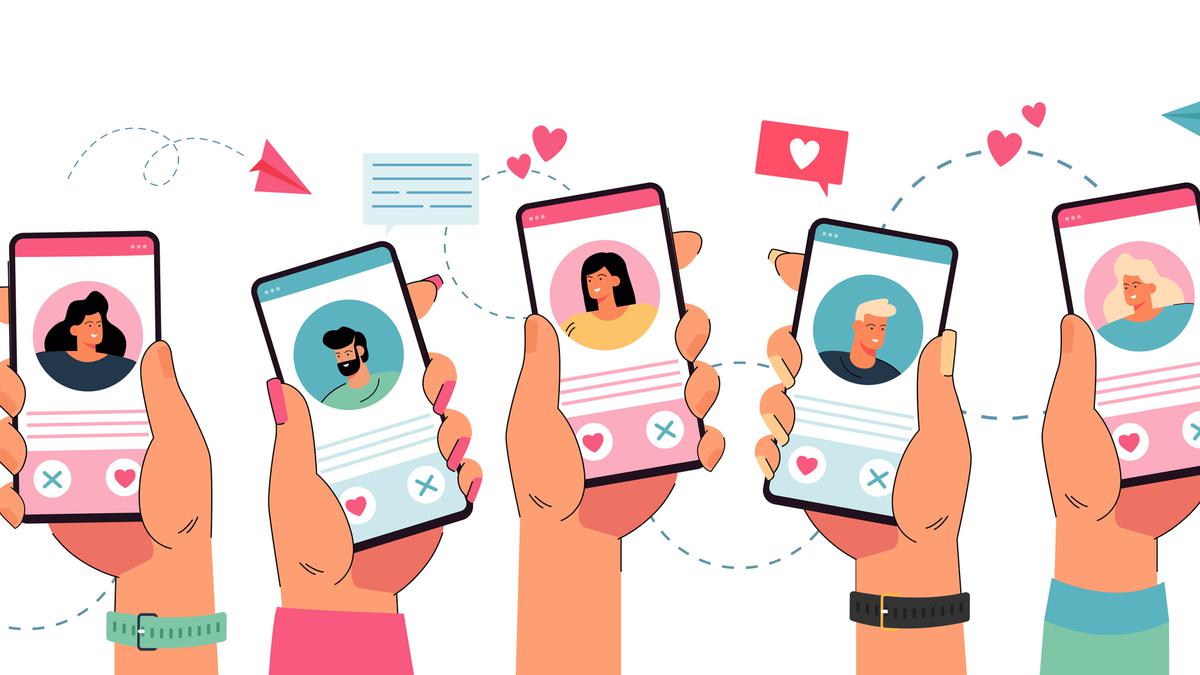
Welcome to the era where your date can be served from the comfort of your couch, where pajamas meet professional camera angles, and where the biggest dating challenge isn't finding someone interesting but keeping your WiFi from betraying you at a crucial moment. Virtual dating isn't some quirky pandemic leftover anymore; it's become a legitimate, thriving part of modern romance. According to dating app statistics from 2025, over 349 million people worldwide are using dating apps and platforms, and many of them are incorporating video dates into their courtship rituals before ever meeting face-to-face. Let's dive into the fascinating world of virtual dating and explore why this digital revolution in romance is changing how we fall in love.
What Exactly Is Virtual Dating and Why Has It Exploded?
Virtual dating, in its most basic form, is the practice of romantic interaction conducted primarily or entirely through digital means, usually video calls, before (or instead of) meeting in person. It's swiping evolved, texting elevated, and the ultimate comfort zone for those who think first dates should come with a pause button.
The explosion of virtual dating makes sense when you look at the numbers. Dating apps have integrated video calling features directly into their platforms, creating seamless experiences where you can go from matching to video dating without ever leaving the app. This shift became particularly pronounced post-pandemic, but unlike many pandemic-era trends, it stuck around. Why? Because it works. According to Fulmino Software's 2025 dating app development trends, video and voice chat features have become essential because they allow people to understand emotions more accurately than text alone, hear someone's voice, and see genuine facial expressions and reactions. "Understanding emotions is more accurate when you call or see a video than just reading text messages," the research notes. It's basically the middle ground between "completely unknown stranger" and "stranger who might be a catfish."
The Undeniable Pros: Why Virtual Dating Is Actually Brilliant
Let's be honest: virtual dating has some genuinely compelling advantages. It's not all paranoia and technical difficulties.
Safety and Verification
One massive advantage is safety. Meeting someone via video before a real-world encounter lets you verify they're not a completely different person from their profile pics. According to research from Taiwan involving 5,427 young adults, people with social anxiety and appearance anxiety are especially drawn to dating apps because digital communication allows them to manage self-presentation and build relationships from a controlled environment. It's a screening mechanism that cuts through a lot of catfishing nonsense. If someone seems sketchy, you're already at home. No awkward exit strategy needed.
Lower Pressure and Easier Conversation Starters
Virtual dates feel less intimidating, which paradoxically leads to better conversations. You can have notes nearby. You can take a sip of your drink without worrying about spilling it on your shirt. The environment is controlled. Research from Restless magazine found that having ice-breaker questions prepared beforehand or having your environment set up thoughtfully can significantly reduce first-date jitters, making it easier to focus on actual conversation.
Time and Geographic Flexibility
You don't have to trek across the city or coordinate schedules for a physical location. For long-distance couples or those with busy schedules, virtual dating is a lifesaver. According to Tinder India's 2022 survey, 72% of Indian long-distance couples engaged in virtual dates, spending an average of 2 hours and 30 minutes per session, with video calls being the most popular activity at 85%, followed by shared movie watching at 63%, and gaming at 52%.
Insight Into Real Life
Seeing someone in their actual living space tells you a lot. How do they treat their environment? Are their surroundings chaotic or tidy? Does their home vibe with yours? It's data you don't get on first dates at restaurants. Plus, you can usually spot genuine hobbies displayed on shelves or hear their actual personality without the "date performance" energy.
Lower Commitment to Try
Suggesting a 30-minute video date feels way less intense than "let's have dinner together," which reduces the pressure for both parties. According to research by Liah Huynh, this lower-pressure approach actually makes people more likely to show up and be present.
The Brutal Cons: Where Virtual Dating Falls Flat
Virtual dating isn't all rose-tinted screens and perfectly lit faces. There are real drawbacks that can torpedo potential connections faster than a laggy WiFi connection.
The Idealization Problem
Here's the kicker: online interactions are often idealized. According to University of Kentucky research on long-distance couples and video chatting, partners reported that initial online interactions felt idealized, making real-life interactions more complex and sometimes disappointing. You can craft your best self on video. You can angle your camera to your advantage. You can pause. You can edit your emotions. Real life doesn't work that way. A study published in the International Journal of Indian Psychology found that relationships initiated through dating apps exhibited lower overall satisfaction compared to traditionally formed relationships, with a statistically significant difference: app-initiated relationships scored 24.5 on the satisfaction scale versus 26.3 for traditional meetings.
Lost Nonverbal Communication
Video calls still can't fully replicate face-to-face interaction. According to research from the Royal Society Publishing, while video calls might provide enough interaction cues for mimicry to occur (trust-building behaviors like mirroring facial expressions), this is still reduced compared to in-person interaction. Pre-recorded videos showed significantly lower mimicry than live video calls, but video calls were still slightly less effective than face-to-face encounters for building authentic trust.
The Online-to-Offline Transition Problem
This is the elephant in the room nobody talks about. Psychology Today reported that the first face-to-face date after meeting online generally resulted in a decline in social and physical attraction to a partner. The research isn't saying video dates kill attraction outright, but there's often a disconnect. People look different in motion in real life. Their mannerisms might be slightly off. Their energy can feel different. This creates what researchers call "transition challenges," where initial chemistry doesn't always translate to real-life compatibility.
Emotional Exhaustion
Virtual dating, especially if done frequently, can become emotionally draining. The constant performance, the technical glitches, the pressure to be "on" even from your couch—it adds up. According to research on dating app usage and mental health, frequent app users showed lower life satisfaction and a moderate negative correlation between app usage frequency and self-esteem. Psychosocial vulnerabilities, like social anxiety, can actually intensify problematic virtual dating usage, creating a vicious cycle where anxious people rely on apps more, which increases their anxiety.
The Paradox of Choice
Even within virtual dating, the ability to swipe, match, and video chat with multiple people simultaneously creates decision fatigue. Some studies show that 19% of dating app users talk to 11 or more people at once. When there's always another video call option, people struggle to commit to one person, leading to shallower connections overall.
The Research-Backed Truth: Can Virtual Dating Lead to Real Relationships?
Here's the good news: yes, virtual dating can work, but it depends on intention and execution.
According to French, Bolton, and Meltzer's groundbreaking 2024 research on virtual speed dating through Florida State University, 83% of participants received at least one match, and of those, 95% attended a virtual first date. More importantly, research showed that virtual speed dating produced comparable results to in-person speed dating in terms of mimicry and trust-building, suggesting that video interactions can be as effective as face-to-face meetings for initial attraction.
The key variable? What you do after the virtual date. Couples who successfully transitioned from virtual to in-person meetings reported that managing expectations, communicating openly about what they were looking for, and not romanticizing the online persona helped smooth the transition.
One Reddit user shared their experience transitioning from online to offline: "As a general rule I ask them about a week to 10 days after the initial conversations. This is dependent on how the conversations have been going. Once you meet in person, the dynamic completely changes compared to how you felt chatting online. Don't stress so much if you've already given a good impression; she is either excited to meet you or she's not."
Real Stories: When Virtual Dating Works (And When It Really Doesn't)
Success Story: From Video Calls to Moving In
According to BuzzFeed's collection of dating app success stories, one couple met on Bumble via virtual dates during the pandemic. "We were stranded on different continents during the pandemic. That's when we did a few virtual workout dates. We continued doing those till we moved in together last year, after 5 years," they shared. Their secret? They didn't overthink it and kept the virtual dates creative and activity-based rather than just staring at each other through screens.
Another Win: The Long-Distance to Long-Term
Laura and Jack met on Hinge and took the leap from video chat to moving in together within a month of their first in-person date. "We would have never met if that app didn't exist. A silly app changed my life," Laura reflected. Their advice? Don't force chemistry. If it happens, it happens.
The Cautionary Tale: Expectations Meet Reality
Not everyone has success. One user described how a week of great virtual chemistry turned into total disappointment: "We matched on Hinge. We had amazing video dates. Then we met in person, and he wasn't even close to how he seemed on video. His energy was completely different. I'm convinced he was using a ring light that makes everyone look ethereal." This isn't uncommon. Psychology Today reports that mismatches between online personas and real-life personalities are a major source of dating app disappointment.
Pro Tips for Nailing Your Virtual Dates
If you're going to do this, do it right.
Set Up Your Space
Test your camera and lighting beforehand. Position your device at eye level so you're making actual eye contact rather than staring at someone's forehead. Find a spot with a neutral background so your date focuses on you, not on your bookshelf or your questionable wall art. According to Tawkify dating experts, the last thing you want is to realize your date can see your messy bathroom or your pet doing something weird in the background mid-conversation.
Prepare Conversation Starters But Don't Interrogate
Have a few ice-breaker questions ready (what makes you laugh, favorite travel destination, best year of your life), but don't fire them out like you're conducting an interview. Let conversation flow naturally, but having backups reduces awkward silences.
Keep It Short and Sweet
First virtual dates should be 30 to 45 minutes maximum. This isn't a podcast marathon. According to Restless, keeping it brief also shows confidence. If it goes well, you can always schedule another one.
Transition to In-Person Sooner Rather Than Later
Don't let the virtual dating phase drag on forever. Research suggests that establishing a strong connection in the first week or two of chatting, then suggesting an in-person meet after about a week of conversations, works best. Too long in the virtual space, and people either lose interest or build unrealistic expectations.
Remember That Virtual Isn't the Same as Real
This is crucial: don't fall in love with someone's curated online version. According to MillionaireMatch dating advice, approaching first in-person meetings with open minds and realistic expectations is essential because meeting in person reveals body language, real-time conversation flow, and dynamics that video simply can't capture. Someone can be hilarious over video and awkward in person. Or vice versa. It's just different, not necessarily bad.
Use Activity-Based Virtual Dates
According to Tinder India's data, shared movie watching (63%), gaming (52%), and even virtual workshops significantly improve engagement and connection compared to just video chatting. According to Lovedove, long-distance couples who participated in interactive virtual dates like escape rooms, trivia games, and compatibility game shows reported higher satisfaction.
Manage Long-Distance Realities
If you're in a long-distance situation, research shows that texting frequency is more strongly linked to relationship satisfaction in LDRs than voice calls, contrary to popular belief. The average long-distance couple sends 343 texts per week and spends 8 hours on phone or video calls. About 60% of LDR couples see each other once a month, with an average of 1.5 visits per month. Know this going in, and you can manage expectations better.
Beyond the Hype: The Future of Virtual Dating and Connection
Here's what's fascinating: virtual dating isn't going away. According to research from Fulminous Software, dating apps in 2025 are featuring in-app virtual dates where couples can share meals over video, play games, or even cook together simultaneously, creating structured experiences rather than just unstructured chat. It's dating becoming increasingly gamified and interactive.
Yet, 52% of survey respondents still prefer to meet someone in real life rather than create a perfect virtual partner, showing that for most people, virtual dating is a stepping stone, not a destination. Singles hope AI and technology help them find real partners. Married people? That's a different story. As many as 43% of married people would prefer to create a perfect virtual partner as compared to 11% of singles, which tells you something interesting about human nature and relationships.
Making Virtual Dating Work for You
Virtual dating is neither magic nor a scam. It's a tool that can help you meet people beyond your immediate social circle and vet compatibility before investing time in travel and setup. It's efficient, accessible, and sometimes genuinely fun. But it's not a replacement for the real thing, and it shouldn't be treated as such.
The most successful approach: Use virtual dating to establish genuine connection and verify basic compatibility. Keep conversations real and ask genuine questions. Transition to in-person meetings relatively quickly once you feel a connection. Manage expectations about the differences between virtual and real-world chemistry. And most importantly, remember that the person on the other side of the screen is a real human being with real hopes and fears, just like you.
The rise of virtual dating isn't a step backward in romance. It's a step sideways, offering a new avenue through which very real connections can begin. Whether those connections flourish depends on what happens after you both turn off your cameras and step into the real world.


Comments
Post a Comment